0
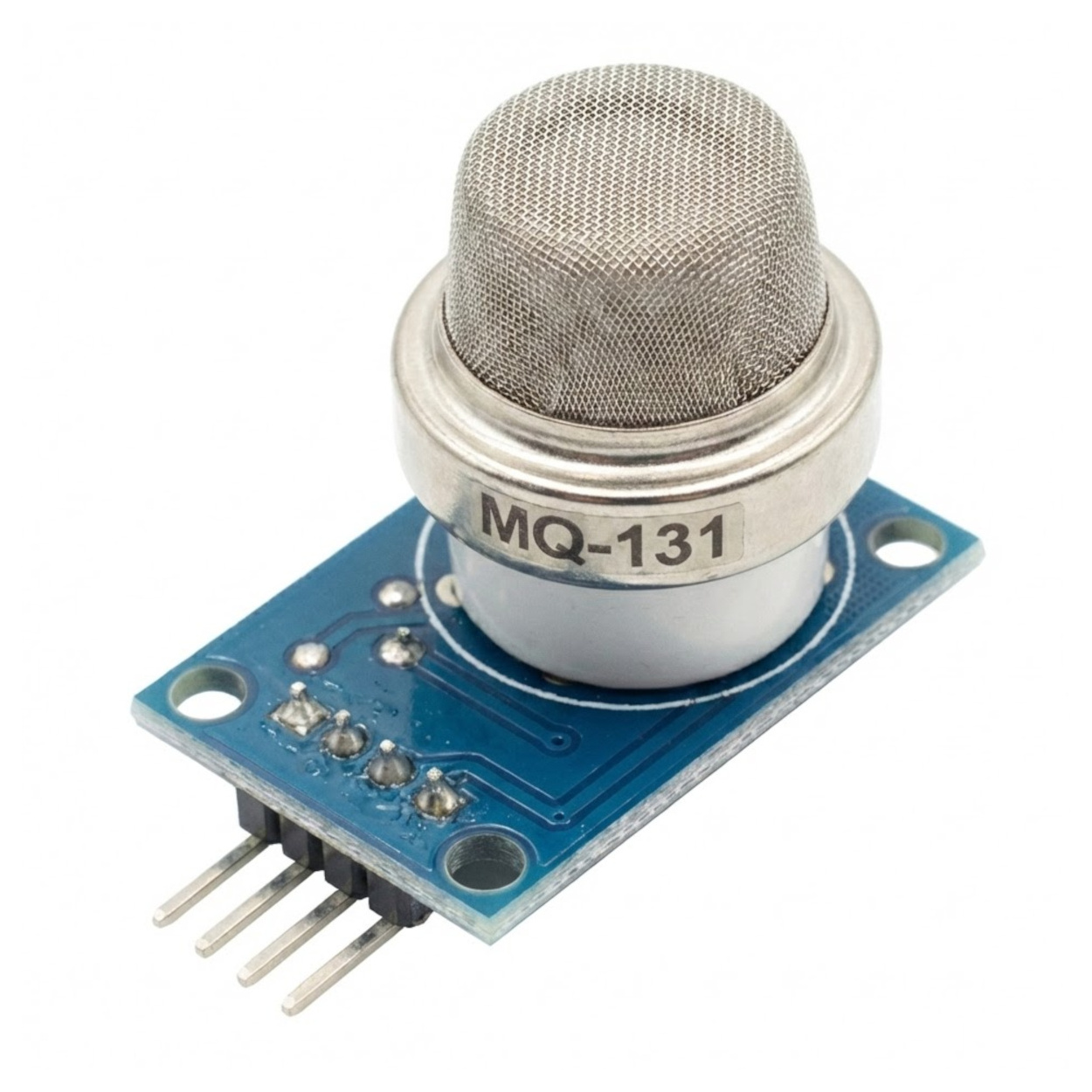
MQ-131 Ozone Gas Sensor Module O3 Detector
14,000 د.ع
Monitor ozone levels in your environment with precision using this MQ-131 Ozone Gas Detection Sensor Module, a high-performance sensor board specifically designed for detecting ozone (O₃) concentrations in ambient air. This module is based on the MQ-131 gas sensor, which utilizes semiconductor metal oxide technology to provide reliable and sensitive detection of ozone gas across a wide concentration range. The sensor is highly sensitive to ozone and features a fast response time, making it ideal for air quality monitoring systems, ozone generators, water treatment facilities, and laboratory safety applications.
In stock
CompareDescription
MQ-131 Ozone Gas Detection Sensor Module – High Sensitivity O3 Detector for Environmental Monitoring
Monitor ozone levels in your environment with precision using this MQ-131 Ozone Gas Detection Sensor Module, a high-performance sensor board specifically designed for detecting ozone (O₃) concentrations in ambient air. This module is based on the MQ-131 gas sensor, which utilizes semiconductor metal oxide technology to provide reliable and sensitive detection of ozone gas across a wide concentration range. The sensor is highly sensitive to ozone and features a fast response time, making it ideal for air quality monitoring systems, ozone generators, water treatment facilities, and laboratory safety applications.
The sensor operates on the principle that its conductivity changes when exposed to target gases. In clean air, the sensitive layer maintains a stable baseline resistance. When ozone is present, the sensor’s resistance changes proportionally to the gas concentration, allowing for accurate measurement through a simple voltage divider circuit. The module includes a comparator circuit with an adjustable threshold potentiometer, providing both analog and digital output signals for flexible integration with microcontrollers.
Key Features
High Sensitivity to Ozone (O₃)
Specifically designed for ozone gas detection with high sensitivity and selectivity, enabling reliable monitoring of ozone levels in various environmental and industrial applications.
Dual Analog and Digital Outputs
Provides both an analog voltage output (0-5V) proportional to gas concentration and a digital TTL output with an adjustable threshold for direct alarm activation when ozone levels exceed preset limits.
Onboard Comparator with Adjustable Threshold
Features an LM393 comparator IC with a potentiometer that allows you to set the digital output trigger point, enabling custom alarm thresholds without programming.
Fast Response and Recovery Time
Engineered for quick response to ozone presence and rapid recovery when the gas dissipates, making it suitable for real-time monitoring applications.
Wide Detection Range
Capable of detecting ozone concentrations across a broad range, suitable for both low-level environmental monitoring and higher concentration industrial applications.
Simple Interface
Operates from a 5V DC power supply and communicates via analog voltage, making it easy to interface with Arduino, ESP32, Raspberry Pi (with ADC), STM32, and other microcontrollers.
Heater Preheating Required
The sensor requires a warm-up period (typically 24-48 hours for initial stabilization and 5-10 minutes for regular use after power-up) to achieve stable and accurate readings.
Specifications
| Parameter | Value |
|---|---|
| Target Gas | Ozone (O₃) |
| Detection Range | 10 – 1000 ppb (typical) or 10 – 1000 ppm (varies by version) |
| Operating Voltage | 5V DC ±0.1V |
| Heater Voltage | 5V DC (AC or DC) |
| Heater Power Consumption | Approximately 800mW |
| Heater Current | Approximately 160mA |
| Load Resistance | Adjustable (10kΩ – 200kΩ typical) |
| Output Signal Type | Analog (0-5V), Digital (TTL) |
| Comparator IC | LM393 |
| Sensitivity Adjustment | Onboard potentiometer |
| Operating Temperature | -10°C to +50°C |
| Operating Humidity | <95% RH (non-condensing) |
| Preheat Time (Initial) | 24-48 hours (recommended) |
| Preheat Time (Subsequent) | 5-10 minutes |
| Response Time | Fast (<1 minute typical) |
| Recovery Time | Fast (<1 minute typical) |
Pin Configuration
| Pin | Function | Description |
|---|---|---|
| VCC | Power Supply | 5V DC input |
| GND | Ground | Common ground |
| DO | Digital Output | TTL output (LOW when gas exceeds threshold, HIGH otherwise) |
| AO | Analog Output | 0-5V analog voltage proportional to gas concentration |
Wiring Diagram
Arduino Connection
MQ-131 Module           Arduino Uno
-------------           -----------
VCC            ----->    5V
GND            ----->    GND
AO             ----->    A0 (Analog Input)
DO             ----->    Digital Pin 7 (optional)
ESP32 Connection
MQ-131 Module           ESP32
-------------           -----
VCC            ----->    5V
GND            ----->    GND
AO             ----->    GPIO36 (ADC)
DO             ----->    GPIO22 (optional)
Arduino Code Example
const int analogPin = A0;   // MQ-131 analog output
const int digitalPin = 7;   // MQ-131 digital output (optional)
int sensorValue = 0;

void setup() {
  Serial.begin(9600);
  pinMode(digitalPin, INPUT);
  Serial.println("MQ-131 Ozone Sensor Module Ready");
  Serial.println("Warming up sensor (10-15 minutes recommended)");
}

void loop() {
  // Read analog value
  sensorValue = analogRead(analogPin);

  // Convert to voltage (0-5V)
  float voltage = (sensorValue / 1023.0) * 5.0;

  // Convert to ozone concentration (requires calibration)
  // Formula depends on load resistor and sensor version
  float ozone_ppb = mapOzoneVoltageToPPB(voltage);

  // Read digital output
  int digitalState = digitalRead(digitalPin);

  Serial.print("Analog Value: ");
  Serial.print(sensorValue);
  Serial.print(" | Voltage: ");
  Serial.print(voltage, 2);
  Serial.print("V | Ozone: ");
  Serial.print(ozone_ppb);
  Serial.print(" ppb | Digital: ");
  Serial.println(digitalState == LOW ? "ALARM" : "Normal");

  delay(1000);
}

// Calibration function (customize based on your sensor's calibration data)
float mapOzoneVoltageToPPB(float voltage) {
  // Example linear mapping - requires actual calibration
  float ozone_ppb = (voltage - 0.5) * 200.0;
  if (ozone_ppb < 0) ozone_ppb = 0;
  return ozone_ppb;
}
Sensitivity Adjustment
The onboard potentiometer allows you to adjust the digital output threshold:
-
Power the module and allow 10-15 minutes for stabilization
-
Monitor the analog output voltage in clean air (baseline reading)
-
Slowly adjust the potentiometer using a small screwdriver
-
Test with a known ozone source at your desired alarm threshold
-
Adjust until the digital output triggers at the desired concentration level
Calibration Notes
-
Sensor Warm-Up: The sensor requires a significant warm-up period. For initial use, allow 24-48 hours of continuous power for optimal stabilization.
-
Baseline Reading: Record the analog output voltage in clean, ozone-free air as your baseline reference.
-
Calibration: For accurate quantitative measurements, calibration against a known ozone source or reference instrument is required.
-
Environmental Factors: Temperature and humidity can affect sensor readings. For best results, operate within specified ranges.
Important Usage Notes
-
The sensor requires a warm-up period. Do not rely on readings immediately after power-up
-
Avoid exposing the sensor to high concentrations of organic solvents, silicon vapors, or corrosive gases
-
Store the module in a clean, dry environment when not in use
-
The sensor element may degrade over time; periodic recalibration is recommended for long-term use
-
For quantitative measurements, professional calibration is required
-
Do not touch the sensor element directly; handle by the PCB edges only
Applications
-
Air quality monitoring systems
-
Ozone generator safety monitoring
-
Water treatment plant ozone detection
-
Industrial hygiene and safety
-
Laboratory fume hood monitoring
-
Environmental research and studies
-
HVAC system air quality control
-
Smart home environmental sensing
-
Educational science projects
Package Contents
-
1 x MQ-131 Ozone Gas Detection Sensor Module
*(Note: This module is for OZONE (O₃) detection only. For hydrogen sulfide, ammonia, formaldehyde, or Freon detection, please use the appropriate sensor modules such as MQ-136, MQ-137, or MQ-138.)*
وحدة استشعار غاز الأوزون MQ-131 – كاشف O3 عالي الحساسية للمراقبة البيئية
راقب مستويات الأوزون في بيئتك بدقة باستخدام وحدة استشعار غاز الأوزون MQ-131، وهي لوحة استشعار عالية الأداء مصممة خصيصًا للكشف عن تركيزات الأوزون في الهواء المحيط. تعتمد هذه الوحدة على مستشعر الغاز MQ-131، الذي يستخدم تقنية أكسيد المعدن شبه الموصل لتوفير كشف موثوق وحساس لغاز الأوزون عبر نطاق تركيز واسع. يتميز المستشعر بحساسية عالية للأوزون ووقت استجابة سريع، مما يجعله مثاليًا لأنظمة مراقبة جودة الهواء ومولدات الأوزون ومرافق معالجة المياه وتطبيقات السلامة المخبرية.
يعمل المستشعر على مبدأ تغير موصليته عند التعرض للغازات المستهدفة. في الهواء النظيف، تحافظ الطبقة الحساسة على مقاومة أساسية مستقرة. عندما يكون الأوزون موجودًا، تتغير مقاومة المستشعر بنسبة تتناسب مع تركيز الغاز، مما يسمح بقياس دقيق من خلال دائرة مقسم جهد بسيطة. تتضمن الوحدة دائرة مقارن مع مقياس جهد عتبة قابل للتعديل، مما يوفر إشارات خرج تماثلية ورقمية للتكامل المرن مع المتحكمات الدقيقة.
المميزات الرئيسية
حساسية عالية للأوزون
مصمم خصيصًا للكشف عن غاز الأوزون بحساسية وانتقائية عالية، مما يتيح مراقبة موثوقة لمستويات الأوزون في مختلف التطبيقات البيئية والصناعية.
مخرجات تماثلية ورقمية مزدوجة
يوفر كلاً من خرج جهد تماثلي يتناسب مع تركيز الغاز وخرج رقمي TTL بعتبة قابلة للتعديل للتنبيه المباشر عند تجاوز مستويات الأوزون للحدود المحددة مسبقًا.
مقارن مدمج مع عتبة قابلة للتعديل
يتميز بدائرة مقارن LM393 مع مقياس جهد يسمح لك بتعيين نقطة تشغيل الخرج الرقمي، مما يتيح عتبات إنذار مخصصة دون برمجة.
وقت استجابة واسترداد سريع
مصمم لاستجابة سريعة لوجود الأوزون واسترداد سريع عند تلاشي الغاز، مما يجعله مناسبًا لتطبيقات المراقبة في الوقت الفعلي.
نطاق كشف واسع
قادر على كشف تركيزات الأوزون عبر نطاق واسع، مناسب لكل من المراقبة البيئية منخفضة المستوى وتطبيقات التركيز العالي الصناعية.
واجهة بسيطة
يعمل من مصدر طاقة 5V ويتواصل عبر جهد تماثلي، مما يسهل الربط مع Arduino و ESP32 و Raspberry Pi والمتحكمات الدقيقة الأخرى.
المواصفات الفنية
| المعامل | القيمة |
|---|---|
| الغاز المستهدف | أوزون (O₃) |
| نطاق الكشف | 10 – 1000 ppb أو 10 – 1000 ppm |
| جهد التشغيل | 5V |
| جهد السخان | 5V |
| تيار السخان | حوالي 160 مللي أمبير |
| نوع إشارة الخرج | تماثلي (0-5V)، رقمي (TTL) |
| دائرة المقارن | LM393 |
| ضبط الحساسية | مقياس جهد مدمج |
| درجة حرارة التشغيل | -10 درجة مئوية إلى +50 درجة مئوية |
| وقت التسخين الأولي | 24-48 ساعة |
| وقت التسخين اللاحق | 5-10 دقائق |
| وقت الاستجابة | سريع |
تكوين الدبابيس
| الدبوس | الوظيفة |
|---|---|
| VCC | طاقة 5V |
| GND | أرضي |
| DO | خرج رقمي |
| AO | خرج تماثلي |
كود Arduino مثال
const int analogPin = A0;
const int digitalPin = 7;
int sensorValue = 0;

void setup() {
  Serial.begin(9600);
  pinMode(digitalPin, INPUT);
  Serial.println("MQ-131 جاهز - انتظر التسخين 10-15 دقيقة");
}

void loop() {
  sensorValue = analogRead(analogPin);
  float voltage = (sensorValue / 1023.0) * 5.0;
  int digitalState = digitalRead(digitalPin);

  Serial.print("القيمة: ");
  Serial.print(sensorValue);
  Serial.print(" | الجهد: ");
  Serial.print(voltage, 2);
  Serial.print("V | الإنذار: ");
  Serial.println(digitalState == LOW ? "تنبيه" : "طبيعي");

  delay(1000);
}
ضبط الحساسية
يسمح لك مقياس الجهد المدمج بضبط عتبة الخرج الرقمي:
-
قم بتشغيل الوحدة وانتظر 10-15 دقيقة للتثبيت
-
راقب جهد الخرج التماثلي في الهواء النظيف
-
اضبط مقياس الجهد ببطء باستخدام مفك براغي صغير
-
اختبر مع مصدر أوزون معروف
-
اضبط حتى يتغير الخرج الرقمي عند التركيز المطلوب
ملاحظات استخدام مهمة
-
يتطلب المستشعر وقت تسخين. لا تعتمد على القراءات فور التشغيل
-
تجنب تعريض المستشعر لتركيزات عالية من المذيبات العضوية أو أبخرة السيليكون
-
قم بتخزين الوحدة في بيئة نظيفة وجافة عند عدم الاستخدام
-
قد يتدهور عنصر الاستشعار بمرور الوقت؛ يوصى بإعادة المعايرة الدورية
التطبيقات
-
أنظمة مراقبة جودة الهواء
-
مراقبة سلامة مولدات الأوزون
-
كشف الأوزون في محطات معالجة المياه
-
السلامة والنظافة الصناعية
-
مراقبة أغطية الدخان المخبرية
-
أنظمة التحكم في جودة الهواء HVAC
-
مشاريع العلوم التعليمية
محتويات العلبة
-
1 × وحدة استشعار غاز الأوزون MQ-131


Reviews
There are no reviews yet