0
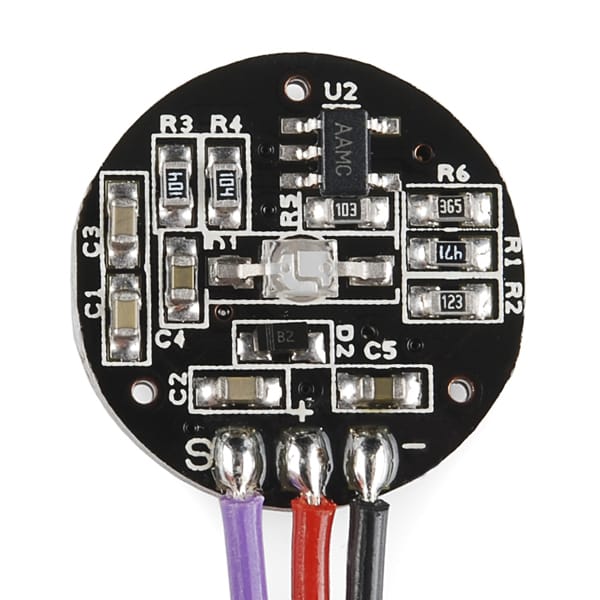
Pulse Sensor Heart Rate Monitor Module
4,000 د.ع
Monitor live heart rate data for your biometric and health-tracking projects with this Pulse Sensor Heart Rate Monitor Module, a well-designed plug-and-play optical sensor based on photoplethysmography technology. This compact module clips onto a fingertip or earlobe and connects directly to Arduino, Raspberry Pi, and other microcontrollers, providing real-time pulse waveform visualization through open-source monitoring applications.
In stock
CompareDescription
Pulse Sensor Heart Rate Monitor Module – Photoplethysmography Sensor for Arduino Raspberry Pi
Monitor live heart rate data for your biometric and health-tracking projects with this Pulse Sensor Heart Rate Monitor Module, a well-designed plug-and-play optical sensor based on photoplethysmography technology. This compact module clips onto a fingertip or earlobe and connects directly to Arduino, Raspberry Pi, and other microcontrollers, providing real-time pulse waveform visualization through open-source monitoring applications.
The sensor operates on the principle of photoplethysmography, using an integrated optical circuit with a high-brightness LED and a sensitive photodetector to detect blood volume changes in the microvascular bed of tissues. As blood pulses through capillaries with each heartbeat, the amount of reflected light changes, creating a fluctuating analog voltage signal that corresponds to the cardiac cycle. This signal can be processed to calculate beats per minute and visualize the pulse waveform in real time.
With a wide power supply range of 3.3V to 5V, this sensor is compatible with both 3.3V systems like Raspberry Pi and 5V systems like Arduino Uno, requiring no additional level shifters. The module features a built-in noise elimination circuit for accurate pulse detection and outputs both analog and digital signals. Whether you’re a student, artist, athlete, game developer, or maker creating interactive biometric projects, this PulseSensor heart rate module provides an accessible and reliable way to incorporate live heart rate data into your creations.
Key Features
PPG Optical Detection Technology
Uses photoplethysmography to detect blood volume changes in tissue microvascular beds, converting pulsatile signals into electrical output for reliable heart rate monitoring.
Plug-and-Play Compatibility
Well-designed sensor module that clips onto a fingertip or earlobe and connects directly to Arduino with jumper cables, requiring no complex setup or additional components.
Wide Power Supply Range
Operates from 3.3V to 5V DC, making it compatible with both 3.3V systems and 5V systems without level shifters.
Integrated Noise Elimination Circuit
Built-in optical amplification and noise-reduction circuitry ensures accurate pulse detection and clean signal output, minimizing false readings from movement or ambient light.
Dual Analog and Digital Outputs
Provides analog output for detailed signal analysis and digital output for simple BPM detection applications.
Open-Source Visualization Software
Includes support for open-source monitoring applications that graph your pulse in real time, allowing immediate visual feedback and data logging.
Compact and Lightweight Design
Thumb-sized form factor with mounting holes for attaching to wrist belts or straps, comfortable for finger or earlobe placement.
Versatile Application Support
Compatible with Arduino, Raspberry Pi, micro:bit, and other prototyping platforms, with extensive community libraries and example code available.
Adjustable Sensitivity
Features a potentiometer for sensitivity adjustment, allowing optimization for different skin types, placement locations, and ambient light conditions.
High LED Wavelength
Uses optimized LED wavelength for hemoglobin absorption, ensuring strong signal detection through tissue.
Specifications
| Parameter | Value |
|---|---|
| Operating Voltage | 3.3V – 5V DC |
| Recommended Voltage | 5V DC |
| Operating Current | <10mA |
| Output Type | Analog and Digital |
| LED Wavelength | 609nm |
| Sensor Type | Photoplethysmography |
| Diameter (Sensing Element) | 16mm |
| Module Dimensions | Approximately 28mm x 24mm |
| Interface | 3-pin (GND, VCC, Signal) |
| Mounting | Two mounting holes |
| Compatibility | Arduino, Raspberry Pi, micro:bit |
Pin Configuration
| Pin | Function | Description |
|---|---|---|
| GND | Ground | Connect to common ground |
| VCC | Power Supply | 3.3V – 5V DC |
| SIG | Signal Output | Analog pulse waveform output |
Wiring Diagram
Arduino Connection
Pulse Sensor             Arduino Uno
------------             -----------
VCC            ----->    5V
GND            ----->    GND
SIG            ----->    A0 (Analog Input)
Raspberry Pi Connection
Pulse Sensor             Raspberry Pi
------------             ------------
VCC            ----->    3.3V
GND            ----->    GND
SIG            ----->    GPIO (ADC required)
*Note: Raspberry Pi requires an external ADC (e.g., MCP3008) for analog reading as it lacks built-in analog inputs.*
Arduino Code Example
int pulsePin = A0;        // Pulse Sensor connected to analog pin A0
int ledPin = 13;          // Built-in LED for heartbeat indication

void setup() {
  Serial.begin(9600);
  pinMode(ledPin, OUTPUT);
  Serial.println("Pulse Sensor Heart Rate Monitor Ready");
}

void loop() {
  int pulseValue = analogRead(pulsePin);

  // Simple heartbeat detection
  if (pulseValue > 550) {
    digitalWrite(ledPin, HIGH);
  } else {
    digitalWrite(ledPin, LOW);
  }

  // Send data to serial monitor
  Serial.println(pulseValue);

  delay(10);
}
Common Applications
-
Fitness and health monitoring devices
-
Biofeedback and relaxation training
-
Interactive art installations
-
Video game controllers
-
Medical education and research
-
Sleep quality monitoring
-
Stress level detection
-
Wearable technology projects
-
Sports science experiments
-
Biometric security systems
Sensor Placement Tips
-
Place the sensor on the fingertip or earlobe for best results
-
Ensure the sensor makes good contact with the skin
-
Avoid excessive movement during measurement
-
Allow a few seconds for the signal to stabilize
-
Adjust sensitivity potentiometer if signal is weak or noisy
-
Clean the sensor surface between uses for hygienic measurements
Package Contents
-
1 x Pulse Sensor Heart Rate Monitor Module
وحدة مراقبة معدل ضربات القلب بمستشعر النبض – مستشعر PPG لـ Arduino Raspberry Pi
راقب بيانات معدل ضربات القلب الحية لمشاريع القياسات الحيوية وتتبع الصحة الخاصة بك باستخدام وحدة مراقبة معدل ضربات القلب بمستشعر النبض، وهو مستشعر بصري جاهز للتشغيل يعتمد على تقنية تخطيط التحجم الضوئي . يتم تثبيت هذه الوحدة المدمجة على طرف الإصبع أو شحمة الأذن وتتصل مباشرة بـ Arduino و Raspberry Pi والمتحكمات الدقيقة الأخرى، مما يوفر تصورًا لشكل موجة النبض في الوقت الفعلي من خلال تطبيقات مراقبة مفتوحة المصدر .
يعمل المستشعر على مبدأ تخطيط التحجم الضوئي، باستخدام دائرة بصرية متكاملة مع LED عالي السطوع وكاشف ضوئي حساس لاكتشاف تغيرات حجم الدم في الأوعية الدموية الدقيقة للأنسجة . مع نبض الدم عبر الشعيرات الدموية مع كل نبضة قلب، تتغير كمية الضوء المنعكس، مما يخلق إشارة جهد تماثلي متقلبة تتوافق مع الدورة القلبية . يمكن معالجة هذه الإشارة لحساب عدد النبضات في الدقيقة وتصور شكل موجة النبض في الوقت الفعلي .
مع نطاق جهد تغذية واسع من 3.3V إلى 5V، هذا المستشعر متوافق مع كل من أنظمة 3.3V وأنظمة 5V دون الحاجة إلى محولات مستوى . تتميز الوحدة بدائرة إزالة ضوضاء مدمجة للكشف الدقيق عن النبض وتخرج إشارات تماثلية ورقمية . سواء كنت طالبًا أو فنانًا أو رياضيًا أو مطور ألعاب أو صانعًا تقوم بإنشاء مشاريع تفاعلية للقياسات الحيوية، فإن وحدة مستشعر النبض هذه توفر طريقة سهلة وموثوقة لدمج بيانات معدل ضربات القلب الحية في إبداعاتك .
المميزات الرئيسية
تقنية الكشف البصري PPG
يستخدم تخطيط التحجم الضوئي لاكتشاف تغيرات حجم الدم في الأوعية الدموية الدقيقة للأنسجة، محولاً الإشارات النابضة إلى خرج كهربائي لمراقبة موثوقة لمعدل ضربات القلب .
توافق Plug-and-Play
وحدة مستشعر مصممة جيدًا يتم تثبيتها على طرف الإصبع أو شحمة الأذن وتتصل مباشرة بـ Arduino بأسلاك توصيل، دون الحاجة إلى إعداد معقد أو مكونات إضافية .
نطاق جهد تغذية واسع
يعمل من 3.3V إلى 5V تيار مستمر، مما يجعله متوافقًا مع كل من أنظمة 3.3V وأنظمة 5V دون محولات مستوى .
دائرة إزالة ضوضاء مدمجة
تضمن دوائر التضخيم البصري وتقليل الضوضاء المدمجة كشف نبض دقيق وإشارة خرج نظيفة، مما يقلل القراءات الخاطئة من الحركة أو الضوء المحيط .
مخرجات تماثلية ورقمية مزدوجة
يوفر خرجًا تماثليًا لتحليل الإشارة التفصيلي وخرجًا رقميًا لتطبيقات الكشف البسيطة عن معدل ضربات القلب .
دعم برمجيات تصور مفتوحة المصدر
يتضمن دعمًا لتطبيقات مراقبة مفتوحة المصدر ترسم نبضك في الوقت الفعلي، مما يسمح بتغذية راجعة بصرية فورية وتسجيل البيانات .
تصميم مضغوط وخفيف الوزن
عامل شكل بحجم الإبهام مع فتحات تثبيت للربط بأحزمة المعصم، مريح للتركيب على الإصبع أو شحمة الأذن .
دعم تطبيقات متعدد الاستخدامات
متوافق مع Arduino و Raspberry Pi و micro:bit ومنصات النمذجة الأولية الأخرى، مع مكتبات مجتمعية واسعة وكودات أمثلة متاحة .
حساسية قابلة للتعديل
يتميز بمقياس جهد لضبط الحساسية، مما يسمح بالتحسين لأنواع البشرة المختلفة ومواقع التركيب وظروف الإضاءة المحيطة .
طول موجي LED عالي
يستخدم طول موجي LED محسن لامتصاص الهيموجلوبين، مما يضمن كشف إشارة قوي عبر الأنسجة .
المواصفات الفنية
| المعلمة | القيمة |
|---|---|
| جهد التشغيل | 3.3V – 5V |
| الجهد الموصى به | 5V |
| تيار التشغيل | <10 مللي أمبير |
| نوع الإخراج | تماثلي ورقمي |
| طول موجي LED | 609 نانومتر |
| نوع المستشعر | تخطيط التحجم الضوئي |
| قطر عنصر الاستشعار | 16 مم |
| أبعاد الوحدة | حوالي 28 مم × 24 مم |
| الواجهة | 3 دبابيس |
| التوافق | Arduino، Raspberry Pi، micro:bit |
تكوين الدبابيس
| الدبوس | الوظيفة |
|---|---|
| GND | أرضي |
| VCC | طاقة 3.3V – 5V |
| SIG | خرج إشارة تماثلية |
مخطط التوصيل مع Arduino
مستشعر النبض              Arduino Uno
-------------              -----------
VCC            ----->      5V
GND            ----->      GND
SIG            ----->      A0
كود Arduino مثال
int pulsePin = A0;
int ledPin = 13;

void setup() {
  Serial.begin(9600);
  pinMode(ledPin, OUTPUT);
  Serial.println("مستشعر النبض جاهز");
}

void loop() {
  int pulseValue = analogRead(pulsePin);

  if (pulseValue > 550) {
    digitalWrite(ledPin, HIGH);
  } else {
    digitalWrite(ledPin, LOW);
  }

  Serial.println(pulseValue);
  delay(10);
}
نصائح لتركيب المستشعر
-
ضع المستشعر على طرف الإصبع أو شحمة الأذن للحصول على أفضل النتائج
-
تأكد من أن المستشعر يلامس الجلد بشكل جيد
-
تجنب الحركة المفرطة أثناء القياس
-
اترك بضع ثوانٍ للإشارة لتستقر
-
اضبط مقياس الجهد إذا كانت الإشارة ضعيفة أو مشوشة
-
نظف سطح المستشعر بين الاستخدامات لقياسات صحية
التطبيقات الشائعة
-
أجهزة مراقبة اللياقة البدنية والصحة
-
التدريب على التغذية البيولوجية والاسترخاء
-
المنشآت الفنية التفاعلية
-
وحدات تحكم ألعاب الفيديو
-
التعليم الطبي والبحث
-
مراقبة جودة النوم
-
كشف مستوى التوتر
-
مشاريع التكنولوجيا القابلة للارتداء
-
تجارب علوم الرياضة
-
أنظمة الأمن البيومترية
محتويات العلبة
-
1 × وحدة مستشعر النبض لمراقبة معدل ضربات القلب

Reviews
There are no reviews yet.