0
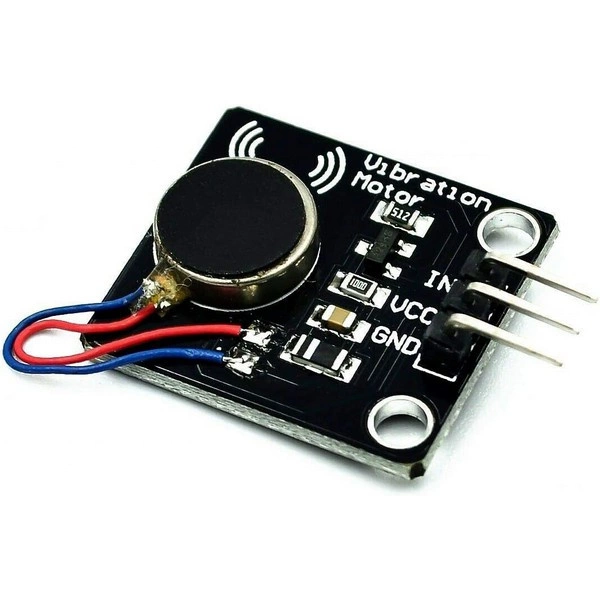
Mini Vibration Motor Module DC 3V-5V
1,000 د.ع
Add tactile feedback, silent alert capabilities, and vibration sensing to your electronic projects with this Mini Vibration Motor Module, a compact DC motor designed for mobile phone vibration, alarm systems, haptic feedback devices, and interactive projects. This tiny yet powerful vibration motor provides instant physical feedback that can be felt through touch, making it ideal for silent alarms, game controllers, wearable devices, and user notification systems
In stock
CompareDescription
Mini Vibration Motor Module – DC Mobile Phone Vibrator Motor for Arduino Alarm Projects
Add tactile feedback, silent alert capabilities, and vibration sensing to your electronic projects with this Mini Vibration Motor Module, a compact DC motor designed for mobile phone vibration, alarm systems, haptic feedback devices, and interactive projects. This tiny yet powerful vibration motor provides instant physical feedback that can be felt through touch, making it ideal for silent alarms, game controllers, wearable devices, and user notification systems .
The motor is housed in a small cylindrical or coin-shaped case with an offset weight attached to the shaft. When powered, the offset weight creates an unbalanced centrifugal force that produces strong, noticeable vibrations while drawing minimal current . The motor operates on 3V to 5V DC, making it directly compatible with Arduino, ESP32, Raspberry Pi, and other microcontroller platforms without requiring additional drivers .
This module comes pre-wired with color-coded leads (typically red for positive, black for negative) or in a convenient breakout board format with pin headers, simplifying integration into your projects . The compact size—just a few millimeters in diameter—allows for installation in tight spaces, including handheld devices, wearables, and small enclosures . Whether you’re building a silent doorbell, a haptic feedback gaming controller, a wearable notification bracelet, or a vibrating alarm for Arduino projects, this mini vibration motor provides reliable, responsive tactile feedback .
Key Features
Compact Vibration Motor
Miniature DC motor with offset weight design that produces strong, noticeable vibrations in a tiny package, ideal for space-constrained applications .
Low Power Consumption
Operates on 3V-5V DC with low current draw, making it suitable for battery-powered portable devices, wearables, and mobile applications .
Direct Microcontroller Control
Can be driven directly from Arduino, ESP32, or Raspberry Pi GPIO pins (with appropriate transistor or MOSFET for current handling), simplifying circuit design .
Pre-Wired or Breakout Board Options
Available as a bare motor with pre-soldered wires for easy connection, or as a module with pin headers for breadboard prototyping .
Fast Response Time
Instantaneous start/stop response provides precise vibration control for haptic feedback, alarm pulses, and pattern-based vibration sequences .
Silent Operation
Produces tactile vibration without audible noise, ideal for discreet notifications, silent alarms, and quiet environments .
Wide Application Compatibility
Suitable for Arduino projects, wearable electronics, IoT devices, game controllers, medical devices, and any application requiring haptic feedback .
Durable Construction
Built with quality materials to withstand repeated operation and provide long service life in portable and stationary applications .
Specifications
| Parameter | Value |
|---|---|
| Motor Type | DC Vibration Motor (Coreless / Coin type) |
| Operating Voltage | 3V – 5V DC |
| Typical Operating Voltage | 3.3V or 5V |
| Current Consumption | 50mA – 100mA (typical) |
| Start Voltage | 2.0V – 2.5V |
| Rated Speed | 8,000 – 12,000 RPM |
| Vibration Force | Strong, perceptible through touch |
| Motor Diameter | Approximately 8mm – 12mm |
| Motor Length | Approximately 2mm – 4mm (without leads) |
| Wire Length | Approximately 100mm – 150mm (pre-wired versions) |
| Life Expectancy | > 50,000 hours |
| Operating Temperature | -10°C to +60°C |
Pin Configuration
Bare Motor (Pre-Wired)
| Wire Color | Polarity | Function |
|---|---|---|
| Red | Positive (+) | Connect to VCC (3V-5V) |
| Black | Negative (-) | Connect to GND |
Breakout Board Module (if applicable)
| Pin | Function | Description |
|---|---|---|
| VCC | Power | 3V-5V DC input |
| GND | Ground | Common ground |
| IN | Control | Control signal (PWM or digital) |
Wiring Diagram
Direct Arduino Control (with Transistor)
Arduino                  Transistor (2N2222/BC547)        Vibration Motor
-------                  -----------------------        --------------
Digital Pin   ----> 1kΩ ----> Base                       Red Wire (+) ----> VCC (5V)
                           Collector ----> Motor (+)
                           Emitter  ----> GND
                           Motor (-) ----> GND
Simple Arduino Connection (using Digital Pin)
// Connect motor red wire to 5V, black wire to Arduino pin (through transistor)
const int motorPin = 9;

void setup() {
  pinMode(motorPin, OUTPUT);
}

void loop() {
  digitalWrite(motorPin, HIGH);  // Motor ON
  delay(500);
  digitalWrite(motorPin, LOW);   // Motor OFF
  delay(500);
}
Arduino Code Examples
Basic ON/OFF Control
const int motorPin = 9;  // Connect to transistor base

void setup() {
  pinMode(motorPin, OUTPUT);
  Serial.begin(9600);
  Serial.println("Vibration Motor Test");
}

void loop() {
  // Single pulse
  digitalWrite(motorPin, HIGH);
  delay(1000);
  digitalWrite(motorPin, LOW);
  delay(1000);

  // Three short pulses
  for (int i = 0; i < 3; i++) {
    digitalWrite(motorPin, HIGH);
    delay(200);
    digitalWrite(motorPin, LOW);
    delay(200);
  }
  delay(2000);
}
PWM Speed Control
const int motorPin = 9;  // PWM-capable pin

void setup() {
  pinMode(motorPin, OUTPUT);
  Serial.begin(9600);
  Serial.println("Vibration Motor PWM Test");
}

void loop() {
  // Gradually increase vibration intensity
  for (int intensity = 0; intensity <= 255; intensity++) {
    analogWrite(motorPin, intensity);
    delay(10);
  }

  delay(1000);

  // Gradually decrease vibration intensity
  for (int intensity = 255; intensity >= 0; intensity--) {
    analogWrite(motorPin, intensity);
    delay(10);
  }

  delay(1000);
}
Pattern-Based Alarm Example
const int motorPin = 9;

void setup() {
  pinMode(motorPin, OUTPUT);
  Serial.begin(9600);
}

void loop() {
  // SOS pattern (3 short, 3 long, 3 short)
  for (int i = 0; i < 3; i++) {
    digitalWrite(motorPin, HIGH);
    delay(200);
    digitalWrite(motorPin, LOW);
    delay(200);
  }

  delay(300);

  for (int i = 0; i < 3; i++) {
    digitalWrite(motorPin, HIGH);
    delay(600);
    digitalWrite(motorPin, LOW);
    delay(200);
  }

  delay(300);

  for (int i = 0; i < 3; i++) {
    digitalWrite(motorPin, HIGH);
    delay(200);
    digitalWrite(motorPin, LOW);
    delay(200);
  }

  delay(3000);
}
Common Applications
-
Silent alarms and notification systems
-
Wearable haptic feedback devices
-
Game controllers and joysticks
-
Mobile phone and smartwatch projects
-
Medical alert and patient call systems
-
Interactive museum exhibits
-
Automotive and vehicle alert systems
-
Doorbell and intercom systems
-
Educational robotics projects
-
IoT notification devices
Important Usage Notes
-
Do not drive the motor directly from microcontroller pins without a transistor or MOSFET; use a driver circuit to handle the motor’s current requirements
-
Add a flyback diode (1N4148 or 1N4007) across the motor terminals to protect the transistor from back EMF
-
For PWM speed control, use a transistor capable of switching at the desired frequency
-
The motor vibration is directional; mounting orientation affects perceived vibration strength
-
Avoid continuous operation beyond recommended duty cycle to prevent overheating
-
Secure the motor firmly in your project enclosure to maximize vibration transfer
-
Use flexible wires to allow the motor to vibrate freely without straining connections
Package Contents
-
1 x Mini Vibration Motor Module (with pre-wired leads)
وحدة محرك اهتزاز صغير – محرك DC لاهتزاز الهواتف المحمولة لمشاريع الإنذار مع Arduino
أضف تغذية راجعة لمسية وإمكانيات تنبيه صامتة واكتشاف الاهتزاز إلى مشاريعك الإلكترونية باستخدام وحدة محرك الاهتزاز الصغير هذه، وهو محرك DC مضغوط مصمم لاهتزاز الهواتف المحمولة وأنظمة الإنذار وأجهزة التغذية الراجعة اللمسية والمشاريع التفاعلية. يوفر هذا المحرك الصغير والقوي تغذية راجعة فيزيائية فورية يمكن الشعور بها عن طريق اللمس، مما يجعله مثاليًا للإنذارات الصامتة ووحدات التحكم في الألعاب والأجهزة القابلة للارتداء وأنظمة إشعارات المستخدم .
يتم تثبيت المحرك في علبة صغيرة أسطوانية أو على شكل عملة مع وزن غير متوازن متصل بالعمود. عند تشغيله، يخلق الوزن غير المتوازن قوة طرد مركزي غير متوازنة تنتج اهتزازات قوية وملحوظة مع سحب تيار ضئيل . يعمل المحرك على جهد 3V إلى 5V تيار مستمر، مما يجعله متوافقًا مباشرة مع Arduino و ESP32 و Raspberry Pi ومنصات المتحكمات الدقيقة الأخرى دون الحاجة إلى مشغلات إضافية .
تأتي هذه الوحدة بأسلاك ملحومة مسبقًا أو في تنسيق لوحة توصيل مريحة مع رؤوس دبابيس، مما يبسط دمجها في مشاريعك . الحجم الصغير – بقطر بضعة ملليمترات فقط – يسمح بالتركيب في المساحات الضيقة، بما في ذلك الأجهزة المحمولة والأجهزة القابلة للارتداء والعلب الصغيرة . سواء كنت تبني جرس باب صامتًا أو وحدة تحكم ألعاب بتغذية راجعة لمسية أو سوار إشعارات قابل للارتداء أو إنذار اهتزاز لمشاريع Arduino، فإن محرك الاهتزاز الصغير هذا يوفر تغذية راجعة لمسية موثوقة وسريعة الاستجابة .
المميزات الرئيسية
محرك اهتزاز مضغوط
محرك DC صغير مع تصميم وزن غير متوازن ينتج اهتزازات قوية وملحوظة في حزمة صغيرة، مثالي للتطبيقات محدودة المساحة .
استهلاك طاقة منخفض
يعمل على جهد 3V-5V تيار مستمر مع استهلاك تيار منخفض، مما يجعله مناسبًا للأجهزة المحمولة التي تعمل بالبطارية والأجهزة القابلة للارتداء والتطبيقات المتنقلة .
تحكم مباشر بالمتحكم الدقيق
يمكن تشغيله مباشرة من دبابيس GPIO لـ Arduino أو ESP32 أو Raspberry Pi، مما يبسط تصميم الدائرة .
خيارات أسلاك مسبقة أو لوحة توصيل
متوفر كمحرك عاري بأسلاك ملحومة مسبقًا لسهولة التوصيل، أو كوحدة مع رؤوس دبابيس للنمذجة الأولية على لوحات التجارب .
وقت استجابة سريع
يوفر استجابة فورية للتشغيل/الإيقاف للتحكم الدقيق في الاهتزاز للتغذية الراجعة اللمسية ونبضات الإنذار وتسلسلات الاهتزاز المنمطة .
تشغيل صامت
ينتج اهتزازًا لمسيًا بدون ضوضاء مسموعة، مثالي للإشعارات السرية والإنذارات الصامتة والبيئات الهادئة .
توافق تطبيقات واسع
مناسب لمشاريع Arduino والإلكترونيات القابلة للارتداء وأجهزة إنترنت الأشياء ووحدات التحكم في الألعاب والأجهزة الطبية وأي تطبيق يتطلب تغذية راجعة لمسية .
هيكل متين
مبني بمواد عالية الجودة لتحمل التشغيل المتكرر وتوفير عمر خدمة طويل في التطبيقات المحمولة والثابتة .
المواصفات الفنية
| المعلمة | القيمة |
|---|---|
| نوع المحرك | محرك اهتزاز DC |
| جهد التشغيل | 3V – 5V DC |
| جهد التشغيل النموذجي | 3.3V أو 5V |
| استهلاك التيار | 50mA – 100mA |
| جهد البدء | 2.0V – 2.5V |
| السرعة المقننة | 8,000 – 12,000 دورة/دقيقة |
| قوة الاهتزاز | قوية، يمكن الشعور بها عن طريق اللمس |
| قطر المحرك | حوالي 8 مم – 12 مم |
| طول المحرك | حوالي 2 مم – 4 مم |
| طول السلك | حوالي 100 مم – 150 مم |
| العمر الافتراضي | > 50,000 ساعة |
| درجة حرارة التشغيل | -10°C إلى +60°C |
تكوين الأطراف
محرك عاري (بأسلاك مسبقة)
| لون السلك | القطبية | الوظيفة |
|---|---|---|
| أحمر | موجب | يتصل بـ VCC (3V-5V) |
| أسود | سالب | يتصل بـ GND |
أمثلة برمجية Arduino
تحكم أساسي ON/OFF
const int motorPin = 9;

void setup() {
  pinMode(motorPin, OUTPUT);
}

void loop() {
  digitalWrite(motorPin, HIGH);
  delay(1000);
  digitalWrite(motorPin, LOW);
  delay(1000);
}
التحكم في شدة الاهتزاز بـ PWM
const int motorPin = 9;

void loop() {
  for (int intensity = 0; intensity <= 255; intensity++) {
    analogWrite(motorPin, intensity);
    delay(10);
  }
  delay(1000);
  for (int intensity = 255; intensity >= 0; intensity--) {
    analogWrite(motorPin, intensity);
    delay(10);
  }
  delay(1000);
}
التطبيقات الشائعة
-
إنذارات صامتة وأنظمة إشعارات
-
أجهزة تغذية راجعة لمسية قابلة للارتداء
-
وحدات تحكم ألعاب
-
مشاريع هواتف محمولة وساعات ذكية
-
إنذارات طبية وأنظمة استدعاء المرضى
-
مشاريع روبوتات تعليمية
-
أجهزة إشعارات إنترنت الأشياء
ملاحظات استخدام مهمة
-
لا تقم بتشغيل المحرك مباشرة من دبابيس المتحكم الدقيق بدون ترانزستور
-
أضف ثنائي حماية عكسية عبر أطراف المحرك
-
استخدم أسلاكًا مرنة للسماح للمحرك بالاهتزاز بحرية
محتويات العلبة
-
1 × وحدة محرك اهتزاز صغير
Related products
-

Pressure Sensor
3,000 د.ع Add to Cart Compare -
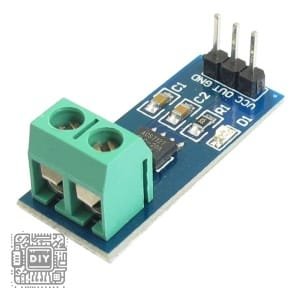
ACS712 Current Sensor Module 5A/20A/30A
3,000 د.ع Add to Cart This product has multiple variants. The options may be chosen on the product page Compare -

Switch Keypad 1×4
1,000 د.ع Add to Cart Compare -

MMA8452 Digital Triaxial Accelerometer
1,750 د.ع Add to Cart Compare
Reviews
There are no reviews yet