0
Geiger Counter Nuclear Radiation Kit
53,000 د.ع
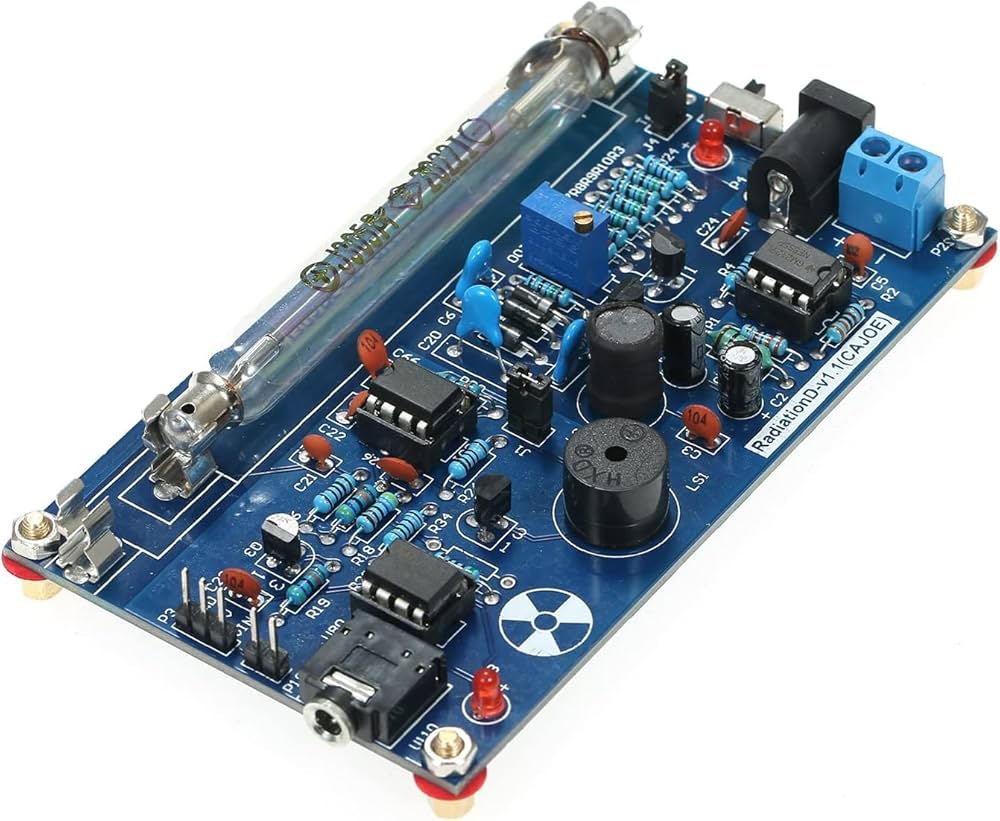
Build your own professional-grade radiation detection device with this DIY Assembled Geiger Counter Kit, a complete parts kit for constructing a sensitive nuclear radiation detector based on the Geiger-Müller (GM) tube principle. This educational and practical kit allows you to assemble a fully functional radiation detector capable of detecting beta particles, gamma rays, and X-rays, making it ideal for hobbyists, students, educators, and anyone interested in radiation safety or nuclear science
In stock
CompareDescription
DIY Assembled Geiger Counter Kit – Nuclear Radiation Detector Module with Miller Tube and Sound/Light Alarm
Build your own professional-grade radiation detection device with this DIY Assembled Geiger Counter Kit, a complete parts kit for constructing a sensitive nuclear radiation detector based on the Geiger-Müller (GM) tube principle. This educational and practical kit allows you to assemble a fully functional radiation detector capable of detecting beta particles, gamma rays, and X-rays, making it ideal for hobbyists, students, educators, and anyone interested in radiation safety or nuclear science.
The kit includes a high-sensitivity Miller tube (GM tube) as the core detection element, along with all necessary electronic components including high-voltage generation circuit, pulse detection circuit, microcontroller, and audio-visual alarm indicators. When ionizing radiation passes through the GM tube, it ionizes the inert gas inside, creating an electrical pulse that is counted by the microcontroller and converted into dose rate readings (μSv/h) or counts per minute (CPM). The module features both sound and light alarms that trigger when radiation levels exceed user-adjustable thresholds, providing immediate audible and visual alerts.
This DIY assembly kit requires soldering and basic electronics knowledge, making it an excellent project for learning about radiation detection, high-voltage circuits, pulse counting, and embedded systems. The completed Geiger counter can be powered by a standard 9V battery or rechargeable lithium battery and can be interfaced with a computer for data logging and analysis. Whether you’re conducting science experiments, monitoring environmental radiation, or building a teaching tool for physics classes, this DIY Geiger counter kit offers a hands-on way to explore the invisible world of ionizing radiation.
Key Features
High-Sensitivity Miller Tube (GM Tube)
Uses a high-quality Geiger-Müller tube as the radiation sensor, capable of detecting beta particles, gamma rays, and X-rays with excellent sensitivity. The GM tube operates at approximately 400V generated by an onboard boost converter.
Adjustable Sound and Light Alarms
Features both audible (buzzer) and visual (LED) alarms that trigger when radiation levels exceed user-configurable thresholds, providing immediate alerts in high-radiation conditions.
Real-Time Radiation Measurement
Displays radiation levels in Counts Per Minute (CPM) or microsieverts per hour (μSv/h) on an optional OLED or LCD display. The microcontroller continuously monitors and calculates dose rates based on incoming pulses.
DIY Assembly Experience
This unassembled kit requires soldering and assembly, providing hands-on learning about radiation detection circuits, high-voltage generation, pulse counting, and microcontroller programming.
High-Voltage Boost Converter
Includes a step-up converter circuit (often based on NE555 timer or similar) that boosts the low input voltage (5-12V) to the 400V required for GM tube operation.
Pulse Detection and Counting
The detection circuit amplifies and shapes the tiny pulses from the GM tube into clean digital signals that can be counted by a microcontroller, with each pulse representing one detected radiation event.
Data Logging Capability
The assembled unit can be connected to a computer via USB or serial interface for data logging, allowing long-term monitoring and analysis of radiation levels.
Portable Battery Operation
Designed for portable use with 9V battery, 18650 lithium battery, or USB power, making it suitable for field measurements and environmental monitoring.
Arduino Compatible (Select Models)
Many DIY Geiger counter kits are compatible with Arduino or ESP8266, allowing custom programming, WiFi connectivity for remote monitoring, and integration with IoT platforms.
Educational Value
Excellent teaching tool for demonstrating principles of radiation detection, nuclear physics, electronics, and environmental science in classroom or laboratory settings.
Specifications
| Parameter | Value |
|---|---|
| Product Type | DIY Unassembled Geiger Counter Kit |
| Detection Principle | Geiger-Müller Tube |
| Detected Radiation | Beta (β), Gamma (γ), X-rays |
| Display | Optional OLED/LCD (not included in basic kit) |
| Alarm Types | Sound (buzzer) + Light (LED) |
| Power Supply | 9V battery, 18650 Li-ion, or 5V USB |
| Output Interface | Pulse output (digital), Serial/USB |
| CPM Range | 0-9999+ CPM |
| Dose Rate Range | 0.01 – 1000+ μSv/h (calibration dependent) |
| Sensitivity | Approximately 150 CPM per μSv/h for Cs-137 |
| GM Tube Type | SBM-20, M4011, or similar (varies by kit) |
| Operating Temperature | -20°C to +60°C |
| Assembly Required | Yes (soldering required) |
| Skill Level | Intermediate to Advanced |
| Dimensions (Assembled) | Approximately 70mm x 50mm x 30mm (module only) |
Kit Contents (Typical)
| Component | Quantity | Description |
|---|---|---|
| GM Tube (Miller Tube) | 1 | Geiger-Müller radiation sensor tube |
| PCB Board | 1 | Printed circuit board for assembly |
| Microcontroller | 1 | ATMega328P, ESP8266, or similar |
| NE555 Timer IC | 1 | For high-voltage boost converter |
| High-Voltage Transformer | 1 | Step-up transformer for 400V generation |
| Transistors | 3-5 | 2N3904, 2N7000, BC547 |
| Diodes | 2-4 | 1N4148, 1N4007, high-voltage diode |
| Resistors | 10+ | Various values (10k, 100k, 1M, 10M, etc.) |
| Capacitors | 8+ | Various values (0.01μF, 0.1μF, 100μF, etc.) |
| LED Indicators | 2 | Red (alarm), Blue (count pulse) |
| Buzzer | 1 | Audible alarm indicator |
| Potentiometer | 1-2 | Threshold adjustment |
| Switches | 2-3 | Power switch, alarm enable switch |
| Battery Connector | 1 | 9V battery snap or JST connector |
| IC Socket | 1 | For microcontroller (optional) |
| Pin Headers | Assorted | For connections and programming |
| Screws and Standoffs | 4 | For PCB mounting |
Note: Actual components may vary depending on kit version. Some kits include an OLED display or other accessories.
Wiring Diagram and Assembly Overview
Block Diagram
Input Power (5-12V) -----> High-Voltage Boost Converter -----> GM Tube (400V)
                           │
                           │ (Low Voltage)
                           ▼
                      Pulse Detection Circuit
                           │
                           ▼
                      Microcontroller (Counter)
                           │
              ┌────────────┼────────────┐
              ▼            ▼            ▼
           Buzzer        LED         Display/Output
Key Circuit Sections
1. High-Voltage Generation:
NE555 timer configured as oscillator driving a step-up transformer
Voltage multiplier (diode-capacitor ladder) to reach 400V
Current limiting resistor for GM tube safety
2. Pulse Detection:
GM tube connected to high-voltage supply through load resistor
Pulse shaping circuit using transistor amplifier
Schmitt trigger for clean digital output
3. Counting and Display:
Microcontroller counts pulses (interrupt-driven)
Converts counts to CPM and μSv/h using calibration factor
Updates display and checks alarm thresholds
Assembly Instructions Overview
Tools Required
Soldering iron (25-40W recommended)
Solder (60/40 rosin-core)
Wire cutters / flush cutters
Needle-nose pliers
Small Phillips screwdriver
Multimeter (for testing)
Safety glasses
Step 1: Sort and Identify Components
Carefully unpack all components and verify against the parts list
Identify the GM tube (handle with care – it contains fragile mica window and partial vacuum)
Note orientation markings on polarized components (diodes, LEDs, capacitors)
Step 2: Install Low-Profile Components
Start with resistors – they have no polarity, but verify values by color codes
Install diodes (note polarity: black band matches white stripe on PCB)
Install ceramic and electrolytic capacitors (observe polarity for electrolytic types)
Install IC socket (if provided) for microcontroller
Step 3: Install Transistors and ICs
Install transistors (match flat side to PCB outline)
Insert NE555 timer IC (notch orientation)
Install voltage regulator if present
Step 4: Install High-Voltage Components
Install high-voltage transformer (verify primary/secondary)
Install high-voltage diodes and multiplier capacitors
Exercise caution as these components will generate high voltage (400V)
Step 5: Install Switches and Connectors
Install power switch (S1)
Install mode/toggle switches (S3)
Install battery connector (observe polarity)
Install programming headers
Step 6: Install GM Tube
Handle the GM tube with extreme care – the mica window is fragile
Insert tube into designated socket or solder leads carefully
Do not apply excessive heat to tube connections
Some kits include a protective mesh screen over the tube
Step 7: Final Assembly and Testing
Visually inspect all solder joints for bridges or cold joints
Trim excess component leads
Install microcontroller into socket (if used)
Connect power and test voltages before inserting GM tube
Calibration
The Geiger counter must be calibrated to convert CPM to dose rate (μSv/h). The conversion factor depends on the specific GM tube used:
For SBM-20 tube: Approximately 150-200 CPM per μSv/h for Cs-137
For M4011 tube: Approximately 130-180 CPM per μSv/h for Cs-137
Calibration Methods:
Use a known radiation source (check local regulations for allowed sources)
Compare with a calibrated professional instrument
Adjust calibration factor in firmware (modify line in Arduino code)
Software and Programming
Arduino IDE Setup (for ATMega328P/ESP8266 versions)
Install Arduino IDE
Install required libraries:
Adafruit_GFX (for OLED display)
Adafruit_SSD1306 (for OLED display)
SPI, Wire libraries
Upload the Geiger counter firmware
Sample Arduino Code Structure
volatile unsigned long counts = 0;
unsigned long previousMillis = 0;
float cpm = 0;
float doseRate = 0;
float calibrationFactor = 151.0; // Adjust for your tube

void IMPULSE() {
  counts++;
}

void setup() {
  Serial.begin(9600);
  attachInterrupt(0, IMPULSE, FALLING);
  pinMode(LED_PIN, OUTPUT);
  // Initialize display...
}

void loop() {
  if (millis() - previousMillis >= 1000) {
    // Update every second
    calculateCPM();
    calculateDoseRate();
    updateDisplay();
    checkAlarm();
    previousMillis = millis();
  }
}

void calculateCPM() {
  // Store counts in rolling array (10-second window)
  // Multiply by 6 to get CPM
  cpm = totalCounts10sec * 6;
  counts = 0;
}

void calculateDoseRate() {
  doseRate = cpm / calibrationFactor; // μSv/h
}
Applications
Educational physics demonstrations
Environmental radiation monitoring
Hobbyist science projects
Geology (uranium ore detection)
Vintage radioactive glass (Vaseline glass, uranium glaze) detection
Laboratory and classroom instruction
Citizen science radiation surveys
Science fair projects
Safety Warnings
High Voltage: The GM tube operates at approximately 400V DC. Exercise caution when testing the assembled circuit
Fragile Components: The GM tube contains a thin mica window that is easily punctured. Handle with care
Soldering Safety: Work in a well-ventilated area. Solder fumes are hazardous
Hot Surfaces: Soldering iron tip is extremely hot. Use with caution
Battery Safety: Do not short-circuit or puncture batteries
Package Contents
1 x DIY Assembled Geiger Counter Parts Kit
(Battery not included)
(Soldering tools not included)
(Optional: OLED display may be included or sold separately depending on kit version)
طقم عداد جيجر DIY المُجمَّع – وحدة كشف الإشعاع النووي بأنبوب ميلر مع إنذار صوتي وضوئي
ابنِ جهاز كشف إشعاع احترافي خاص بك باستخدام طقم عداد جيجر DIY المُجمَّع هذا، وهو طقم أجزاء كامل لبناء جهاز كشف إشعاع نووي حساس يعتمد على مبدأ أنبوب جيجر-مولر. يتيح لك هذا الطقم التعليمي والعملي تجميع جهاز كشف إشعاع يعمل بالكامل قادر على كشف جسيمات بيتا وأشعة جاما والأشعة السينية، مما يجعله مثاليًا للهواة والطلاب والمعلمين وأي شخص مهتم بالسلامة الإشعاعية أو العلوم النووية.
يتضمن الطقم أنبوب ميلر عالي الحساسية كعنصر كشف أساسي، بالإضافة إلى جميع المكونات الإلكترونية اللازمة بما في ذلك دائرة توليد الجهد العالي ودائرة كشف النبضات والمتحكم الدقيق ومؤشرات الإنذار الصوتية والمرئية. عندما يمر الإشعاع المؤين عبر أنبوب GM، فإنه يؤين الغاز الخامل بداخله، مما يخلق نبضة كهربائية يتم عدها بواسطة المتحكم الدقيق وتحويلها إلى قراءات معدل الجرعة. تتميز الوحدة بإنذارات صوتية وضوئية تعمل عند تجاوز مستويات الإشعاع للحدود القابلة للتعديل من قبل المستخدم، مما يوفر تنبيهات فورية مسموعة ومرئية.
يتطلب طقم التجميع DIY هذا لحامًا ومعرفة أساسية بالإلكترونيات، مما يجعله مشروعًا ممتازًا لتعلم كشف الإشعاع ودوائر الجهد العالي وعد النبضات والأنظمة المدمجة. يمكن تشغيل عداد جيجر المُجمَّع بواسطة بطارية 9V قياسية أو بطارية ليثيوم قابلة لإعادة الشحن ويمكن ربطه بجهاز كمبيوتر لتسجيل البيانات وتحليلها. سواء كنت تجري تجارب علمية أو تراقب الإشعاع البيئي أو تبني أداة تعليمية لفصول الفيزياء، فإن طقم عداد جيجر DIY هذا يوفر طريقة عملية لاستكشاف العالم غير المرئي للإشعاع المؤين.
المميزات الرئيسية
أنبوب ميلر عالي الحساسية
يستخدم أنبوب جيجر-مولر عالي الجودة كمستشعر إشعاع، قادر على كشف جسيمات بيتا وأشعة جاما والأشعة السينية بحساسية ممتازة. يعمل أنبوب GM بجهد حوالي 400V يتم توليده بواسطة محول رافع مدمج.
إنذارات صوتية وضوئية قابلة للتعديل
يتميز بإنذارات مسموعة (جرس) ومرئية (LED) تعمل عندما تتجاوز مستويات الإشعاع الحدود القابلة للتكوين من قبل المستخدم، مما يوفر تنبيهات فورية في ظروف الإشعاع العالي.
قياس إشعاع في الوقت الفعلي
يعرض مستويات الإشعاع بعدد النبضات في الدقيقة أو ميكروسيفرت في الساعة على شاشة OLED أو LCD اختيارية. يراقب المتحكم الدقيق باستمرار ويحسب معدلات الجرعة بناءً على النبضات الواردة.
تجربة تجميع DIY
يتطلب هذا الطقم غير المجمَّع لحامًا وتجميعًا، مما يوفر تعلمًا عمليًا حول دوائر كشف الإشعاع وتوليد الجهد العالي وعد النبضات وبرمجة المتحكمات الدقيقة.
محول جهد عالي رافع
يتضمن دائرة محول رافع تعزز جهد الدخل المنخفض إلى الجهد العالي 400V المطلوب لتشغيل أنبوب GM.
كشف وعد النبضات
تعمل دائرة الكشف على تضخيم وتشكيل النبضات الصغيرة من أنبوب GM إلى إشارات رقمية نظيفة يمكن عدها بواسطة المتحكم الدقيق، حيث تمثل كل نبضة حدث إشعاعي واحد تم اكتشافه.
قدرة تسجيل البيانات
يمكن توصيل الوحدة المجمعة بجهاز كمبيوتر عبر USB أو واجهة تسلسلية لتسجيل البيانات، مما يسمح بمراقبة وتحليل مستويات الإشعاع على المدى الطويل.
تشغيل محمول بالبطارية
مصمم للاستخدام المحمول مع بطارية 9V أو بطارية ليثيوم 18650 أو طاقة USB، مما يجعله مناسبًا للقياسات الميدانية والمراقبة البيئية.
متوافق مع Arduino (بعض الموديلات)
العديد من أطقم عداد جيجر DIY متوافقة مع Arduino أو ESP8266، مما يسمح ببرمجة مخصصة واتصال WiFi للمراقبة عن بُعد والتكامل مع منصات إنترنت الأشياء.
قيمة تعليمية
أداة تعليمية ممتازة لإظهار مبادئ كشف الإشعاع والفيزياء النووية والإلكترونيات والعلوم البيئية في الفصول الدراسية أو المختبرات.
المواصفات الفنية
| المعلمة | القيمة |
|---|---|
| نوع المنتج | طقم عداد جيجر غير مجمَّع |
| مبدأ الكشف | أنبوب جيجر-مولر |
| الإشعاعات المكتشفة | بيتا (β)، جاما (γ)، أشعة سينية |
| الشاشة | OLED/LCD اختيارية |
| أنواع الإنذار | صوت (جرس) + ضوء (LED) |
| مصدر الطاقة | بطارية 9V، 18650 ليثيوم، أو 5V USB |
| واجهة الخرج | خرج نبضات (رقمي)، تسلسلي/USB |
| نطاق CPM | 0-9999+ CPM |
| نطاق معدل الجرعة | 0.01 – 1000+ ميكروسيفرت/ساعة |
| الحساسية | حوالي 150 CPM لكل ميكروسيفرت/ساعة |
| نوع أنبوب GM | SBM-20، M4011، أو ما شابه |
| درجة حرارة التشغيل | -20°C إلى +60°C |
| التجميع مطلوب | نعم |
| مستوى المهارة | متوسط إلى متقدم |
محتويات الطقم (نموذجي)
| المكون | الكمية |
|---|---|
| أنبوب GM (أنبوب ميلر) | 1 |
| لوحة PCB | 1 |
| متحكم دقيق | 1 |
| شريحة NE555 | 1 |
| محول جهد عالي | 1 |
| ترانزستورات | 3-5 |
| ثنائيات | 2-4 |
| مقاومات | 10+ |
| مكثفات | 8+ |
| مؤشرات LED | 2 |
| جرس | 1 |
| مقياس جهد | 1-2 |
| مفاتيح | 2-3 |
| موصل بطارية | 1 |
| مقبس IC | 1 |
تعليمات التجميع
الأدوات المطلوبة
مكواة لحام
لحام
قواطع أسلاك
كماشة صغيرة
مفك براغي صغير
مقياس متعدد
التطبيقات الشائعة
العروض التعليمية للفيزياء
مراقبة الإشعاع البيئي
مشاريع العلوم للهواة
الجيولوجيا
مختبرات التدريس
المسوحات الإشعاعية للعلوم المواطنة
مشاريع المعارض العلمية
تحذيرات السلامة
جهد عالي: أنبوب GM يعمل بحوالي 400V. توخ الحذر عند اختبار الدائرة المجمعة
مكونات هشة: أنبوب GM يحتوي على نافذة ميكا رقيقة قابلة للثقب بسهولة
سلامة اللحام: اعمل في منطقة جيدة التهوية
سلامة البطارية: لا تقصر دائرة البطارية أو تثقبها
محتويات العلبة
1 × طقم أجزاء عداد جيجر DIY
(البطارية غير مدرجة)
(أدوات اللحام غير مدرجة)


Reviews
There are no reviews yet