0
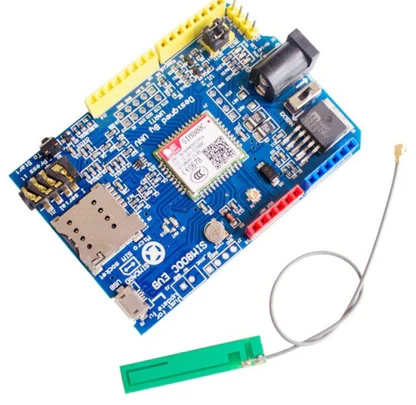
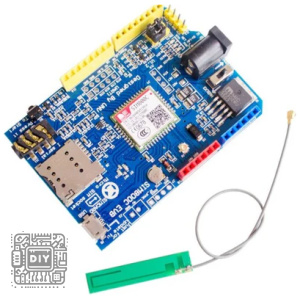
SIM800C GPRS GSM Shield for Arduino
35,000 د.ع
Add cellular communication capabilities to your Arduino projects with the SIM800C GPRS GSM Shield, a versatile expansion board designed for Arduino Uno, Mega 2560, and compatible boards. This shield enables your Arduino to make voice calls, send and receive SMS messages, and transmit data over GPRS networks, making it ideal for IoT applications, remote monitoring systems, smart home devices, and telemetry projects
In stock
CompareDescription
SIM800C GPRS GSM Shield for Arduino
Add cellular communication capabilities to your Arduino projects with the SIM800C GPRS GSM Shield, a versatile expansion board designed for Arduino Uno, Mega 2560, and compatible boards. This shield enables your Arduino to make voice calls, send and receive SMS messages, and transmit data over GPRS networks, making it ideal for IoT applications, remote monitoring systems, smart home devices, and telemetry projects.
The shield is built around the SIM800C module, delivering quad-band GSM/GPRS support across 850/900/1800/1900 MHz frequencies for global compatibility. It supports GPRS multi-slot class 10/12 and GSM phase 2/2+ standards. The integrated DTMF function enables remote control applications by detecting button presses during calls.
This shield stacks directly onto your Arduino board, maintaining access to all I/O pins while adding cellular connectivity. It features onboard LEDs for power, network status, and operating mode indication, along with a standard SIM card holder, headphone jack, and antenna connector. The module can be powered through the Arduino board and features low power consumption in sleep mode.
Key Features
Quad-Band GSM/GPRS Connectivity
Supports GSM 850/900/1800/1900MHz frequencies, enabling global network compatibility for voice calls, SMS, and GPRS data transmission.
DTMF Support for Remote Control
Integrated DTMF function allows character feedback from button presses during calls, enabling remote control applications.
GPRS Multi-Slot Support
Features GPRS multi-slot class 10/12 and mobile station class B, supporting data rates for IoT applications and telemetry.
Flexible Power Supply
Operates with input voltage from the Arduino board, with low power consumption in sleep mode.
Multiple Interface Options
Provides both hardware serial and software serial communication options, with onboard DIP switch for easy mode selection.
LED Status Indicators
Onboard LEDs provide visual feedback for power status, network registration, and operating mode.
Audio Interface
Includes a headphone jack with microphone support for voice call functionality, enabling two-way communication.
SIM Card Holder
Standard size SIM card holder for use with 2G network SIM cards.
AT Command Control
Fully controllable via standard AT commands, allowing precise control over all functions.
Arduino Shield Form Factor
Designed to stack directly onto Arduino Uno, Leonardo, and Mega 2560 boards with stacking headers for additional shields.
Specifications
| Parameter | Value |
|---|---|
| Chip | SIM800C |
| Frequency Bands | GSM 850/900/1800/1900MHz |
| GPRS Class | Multi-slot class 10/12 |
| Supply Voltage | 7-12V DC (from Arduino) |
| Current Consumption | Low (sleep mode), ~100mA (GSM mode) |
| Communication | AT commands via UART |
| DTMF Support | Yes |
| SIM Card | Standard size |
| Audio Interface | 3.5mm headphone/microphone jack |
| Antenna | External SMA antenna (included) |
| Dimensions | 77mm x 52mm x 27mm |
| Weight | 26g |
| Compatibility | Arduino Uno, Leonardo, Mega 2560 |
Pin Configuration
| Pin | Function | Description |
|---|---|---|
| D0 (RX) | Serial Receive | Hardware serial RX (default communication) |
| D1 (TX) | Serial Transmit | Hardware serial TX (default communication) |
| D6 | Software Serial RX | Alternative RX when using software serial |
| D7 | Software Serial TX | Alternative TX when using software serial |
| D9 | Module Start | Start/power control pin for SIM800C |
*Note: Use jumper caps to select between hardware serial (D0/D1) or software serial (D6/D7) communication.*
Wiring Diagram
Shield Installation
Arduino Uno/Leonardo          SIM800C Shield
------------------            --------------
Stack directly on top of Arduino (using stacking headers)
Arduino Code Examples
Basic Setup and Power On
void setup() {
  pinMode(9, OUTPUT);     // D9 is SIM800C turn on pin
  digitalWrite(9, HIGH);
  delay(1000);
  digitalWrite(9, LOW);
  delay(15000);           // Wait for module to boot
  Serial.begin(9600);     // Start serial communication
}

void loop() {
  // Send AT command to test communication
  Serial.println("AT");
  delay(1000);

  while (Serial.available()) {
    Serial.write(Serial.read());
  }
}
Making a Voice Call
void setup() {
  pinMode(9, OUTPUT);
  digitalWrite(9, HIGH);
  delay(1000);
  digitalWrite(9, LOW);
  delay(15000);
  Serial.begin(9600);
}

void loop() {
  // Dial phone number (replace with actual number)
  Serial.print("ATD+1234567890;\r");
  delay(100000);          // Call duration
  delay(200000);
}
Sending an SMS Message
void sendMessage() {
  Serial.println("AT");
  delay(2000);
  Serial.println("AT+CMGF=1");        // Set SMS text mode
  delay(2000);
  Serial.println("AT+CMGS=\"+1234567890\""); // Recipient number
  delay(2000);
  Serial.print("Hello from Arduino!");      // Message content
  delay(2000);
  Serial.write(0x1A);                 // Ctrl+Z to send
}

void setup() {
  pinMode(9, OUTPUT);
  digitalWrite(9, HIGH);
  delay(1000);
  digitalWrite(9, LOW);
  delay(15000);
  Serial.begin(9600);
}

void loop() {
  delay(15000);
  sendMessage();
}
Using Software Serial (Pins 6 and 7)
#include <SoftwareSerial.h>

SoftwareSerial SIM800(6, 7);  // RX on pin 6, TX on pin 7

void setup() {
  pinMode(9, OUTPUT);
  digitalWrite(9, HIGH);
  delay(1000);
  digitalWrite(9, LOW);
  delay(15000);
  SIM800.begin(9600);          // Set baud rate
  Serial.begin(9600);
}

void loop() {
  if (SIM800.available()) {
    Serial.write(SIM800.read());
  }
  if (Serial.available()) {
    SIM800.write(Serial.read());
  }
}
Important Usage Notes
SIM Card Requirement: Requires a standard size SIM card with 2G network support and an active data plan for GPRS services
Power Supply: Ensure adequate power supply (7-12V) for reliable operation
Antenna: Always connect the included antenna for reliable network registration
Baud Rate: Default communication speed is 9600 baud; ensure your code matches this setting
Common Applications
IoT remote monitoring and control systems
SMS alert and notification devices
GPS tracking systems
Smart home automation with cellular connectivity
Telemetry and data logging from remote locations
Voice call-enabled alarm systems
Remote equipment control
Educational IoT projects
Package Contents
1 x SIM800C GPRS GSM Shield
1 x GSM Antenna
درع SIM800C GPRS GSM لـ Arduino
أضف قدرات الاتصال الخلوي إلى مشاريع Arduino الخاصة بك باستخدام درع SIM800C GPRS GSM، وهي لوحة توسعة متعددة الاستخدامات مصممة لـ Arduino Uno و Mega 2560 واللوحات المتوافقة. يمكن هذا الدرع Arduino الخاص بك من إجراء المكالمات الصوتية وإرسال واستقبال الرسائل النصية القصيرة ونقل البيانات عبر شبكات GPRS، مما يجعله مثاليًا لتطبيقات إنترنت الأشياء وأنظمة المراقبة عن بُعد وأجهزة المنزل الذكي ومشاريع القياس عن بُعد .
تم بناء الدرع حول وحدة SIM800C، التي توفر دعم GSM/GPRS رباعي النطاق عبر ترددات 850/900/1800/1900 ميجاهرتز للتوافق العالمي. تدعم معايير GPRS متعددة الفتحات و GSM. تمكن وظيفة DTMF المدمجة تطبيقات التحكم عن بُعد من خلال كشف ضغطات الأزرار أثناء المكالمات .
يتم تركيب هذا الدرع مباشرة فوق لوحة Arduino الخاصة بك، مع الحفاظ على الوصول إلى جميع دبابيس الإدخال/الإخراج مع إضافة الاتصال الخلوي. يتميز بمصابيح LED مدمجة لحالة الطاقة وحالة الشبكة ووضع التشغيل، بالإضافة إلى حامل بطاقة SIM قياسي ومقبس سماعة وموصل هوائي. يمكن تشغيل الوحدة عبر لوحة Arduino وتتميز باستهلاك طاقة منخفض في وضع السكون .
المميزات الرئيسية
اتصال GSM/GPRS رباعي النطاق
يدعم ترددات GSM 850/900/1800/1900 ميجاهرتز، مما يتيح توافقًا عالميًا للشبكة للمكالمات الصوتية والرسائل النصية القصيرة ونقل بيانات GPRS .
دعم DTMF للتحكم عن بُعد
تسمح وظيفة DTMF المدمجة بتغذية راجعة للأحرف من ضغطات الأزرار أثناء المكالمات، مما يتيح تطبيقات التحكم عن بُعد .
دعم GPRS متعدد الفتحات
يتميز بفئة GPRS متعددة الفتحات 10/12 وفئة المحطة المتنقلة B، مما يدعم معدلات البيانات لتطبيقات إنترنت الأشياء والقياس عن بُعد .
مصدر طاقة مرن
يعمل بجهد دخل من لوحة Arduino، مع استهلاك طاقة منخفض في وضع السكون .
خيارات واجهة متعددة
يوفر خيارات اتصال تسلسلي بالأجهزة والبرمجيات، مع مفتاح DIP مدمج لسهولة اختيار الوضع .
مصابيح LED لحالة التشغيل
توفر مصابيح LED المدمجة تغذية راجعة بصرية لحالة الطاقة والتسجيل في الشبكة ووضع التشغيل .
واجهة صوتية
يتضمن مقبس سماعة مع دعم ميكروفون لوظيفة المكالمات الصوتية، مما يتيح اتصالاً ثنائي الاتجاه .
حامل بطاقة SIM
حامل بطاقة SIM مقاس قياسي للاستخدام مع بطاقات SIM للشبكات 2G .
التحكم عبر أوامر AT
يمكن التحكم بالكامل عبر أوامر AT القياسية، مما يسمح بالتحكم الدقيق في جميع الوظائف .
عامل شكل درع Arduino
مصمم للتركيب مباشرة على لوحات Arduino Uno و Leonardo و Mega 2560 مع رؤوس تكديس لدروع إضافية .
المواصفات الفنية
| المعلمة | القيمة |
|---|---|
| الشريحة | SIM800C |
| نطاقات التردد | GSM 850/900/1800/1900 ميجاهرتز |
| فئة GPRS | متعددة الفتحات 10/12 |
| جهد التغذية | 7-12V تيار مستمر |
| استهلاك التيار | منخفض، ~100 مللي أمبير |
| الاتصال | أوامر AT عبر UART |
| دعم DTMF | نعم |
| بطاقة SIM | مقاس قياسي |
| واجهة الصوت | مقبس 3.5 مم |
| الهوائي | هوائي SMA خارجي |
| الأبعاد | 77 مم × 52 مم × 27 مم |
| الوزن | 26 جرام |
| التوافق | Arduino Uno، Leonardo، Mega 2560 |
تكوين الدبابيس
| الدبوس | الوظيفة |
|---|---|
| D0 (RX) | استقبال تسلسلي بالأجهزة |
| D1 (TX) | إرسال تسلسلي بالأجهزة |
| D6 | استقبال تسلسلي بالبرمجيات |
| D7 | إرسال تسلسلي بالبرمجيات |
| D9 | تشغيل الوحدة |
أمثلة برمجية Arduino
الإعداد الأساسي وتشغيل الوحدة
void setup() {
  pinMode(9, OUTPUT);
  digitalWrite(9, HIGH);
  delay(1000);
  digitalWrite(9, LOW);
  delay(15000);
  Serial.begin(9600);
}

void loop() {
  Serial.println("AT");
  delay(1000);
  while (Serial.available()) {
    Serial.write(Serial.read());
  }
}
إرسال رسالة نصية قصيرة
void sendMessage() {
  Serial.println("AT");
  delay(2000);
  Serial.println("AT+CMGF=1");
  delay(2000);
  Serial.println("AT+CMGS=\"+1234567890\"");
  delay(2000);
  Serial.print("Hello from Arduino!");
  delay(2000);
  Serial.write(0x1A);
}
ملاحظات استخدام مهمة
متطلبات بطاقة SIM: تتطلب بطاقة SIM مقاس قياسي تدعم شبكات 2G مع باقة بيانات نشطة
مصدر الطاقة: تأكد من مصدر طاقة كافٍ (7-12V) للتشغيل الموثوق
الهوائي: قم دائمًا بتوصيل الهوائي المضمن للتسجيل الموثوق في الشبكة
التطبيقات الشائعة
أنظمة المراقبة والتحكم عن بُعد لإنترنت الأشياء
أجهزة تنبيه وإشعارات عبر الرسائل النصية القصيرة
أنظمة تتبع GPS
أتمتة المنزل الذكي مع اتصال خلوي
القياس عن بُعد وتسجيل البيانات من مواقع نائية
أنظمة إنذار مع مكالمات صوتية
التحكم في المعدات عن بُعد
مشاريع إنترنت الأشياء التعليمية
محتويات العلبة
1 × درع SIM800C GPRS GSM
1 × هوائي GSM
Reviews
There are no reviews yet